
January15
Landlord TipsRelated Posts
Aliquam lacinia diam quis lacus euismod

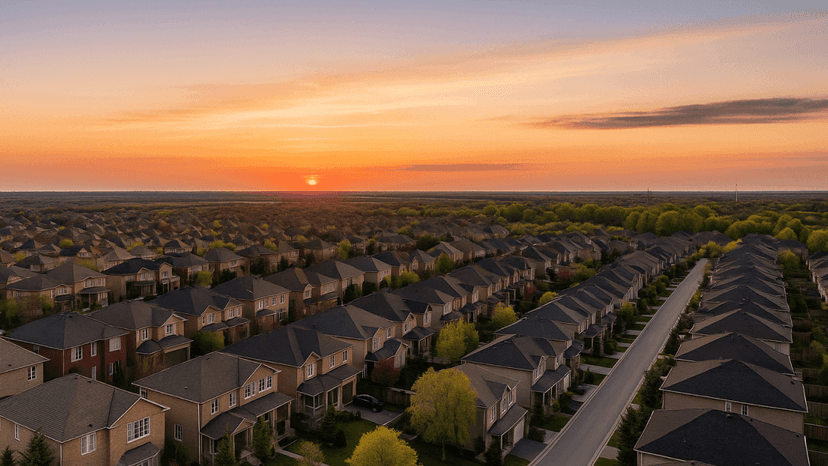
The housing market in Toronto, Canada is entering 2026 in a state of transition. After years of rapid price growth followed by corrections, the market is shifting toward more balanced conditions. Home prices have softened, rental vacancy rates have risen, and new construction has slowed significantly.
For property owners and investors, understanding these trends is essential for making informed decisions in the year ahead.
Home prices in the Greater Toronto Area declined in 2025. The average selling price for the full year came in at $1,074,978, down 4.2% from $1,121,871 in 2024. In December 2025, the average price was $1,006,735, representing a 5.1% year over year decline.
Within the City of Toronto, prices dropped further. The average selling price fell 6.3% to $942,300, with single-family homes averaging $1,150,200.
Sales activity also weakened. GTA realtors reported 62,433 home sales in 2025, down 11.2% from the previous year. Meanwhile, new listings increased by 10.1%, giving buyers more options and reducing competition.
Looking ahead, analysts expect prices to fall another 3.5% in 2026, while sales are projected to rise by about 5%. The market is shifting toward balanced to buyer conditions, which may offer more opportunities for those looking to purchase.
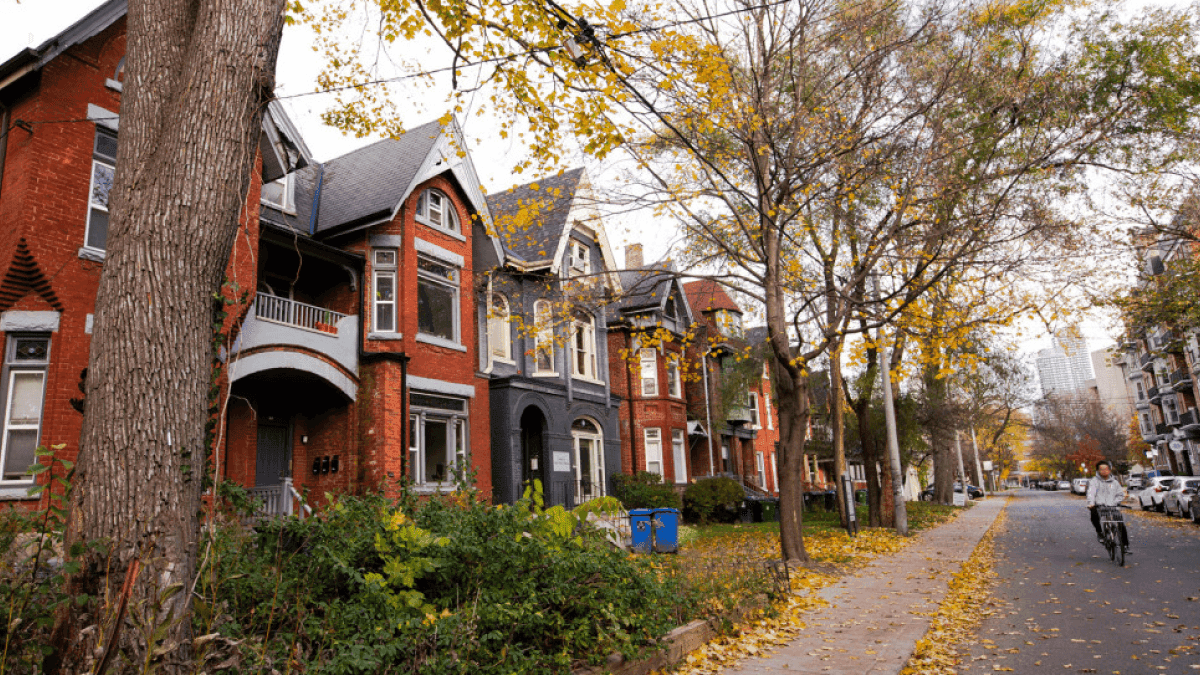
Toronto's rental market has softened compared to the extremely tight conditions of recent years, though it remains competitive.
The vacancy rate for purpose-built rentals in the GTHA reached 3.5% in early 2025, up from 2.6% a year earlier. In the City of Toronto, the rate was 3.7%. These are the highest vacancy levels since 2021, though still low by historical standards.
Average rents for newer purpose-built rentals are approximately $2,909 per month. Condo rents have declined more sharply, averaging $2,612 per month, down about 10% from their 2023 peak. Typical two-bedroom units now rent in the $2,100 to $2,300 range.
New rental supply is entering the market at elevated levels. Purpose-built completions in early 2025 were up 173% compared to the prior year, the second-highest quarterly total in 30 years. Active condo rental listings have increased 160% over two years.
With more options available, many landlords are now offering incentives such as free rent periods and reduced deposits to attract tenants.
Toronto is experiencing a significant slowdown in new housing construction. Housing starts in 2025 were down 31% year over year, putting the city on pace for its lowest annual total in 30 years. On a per capita basis, homebuilding activity fell to its lowest level since 1996.
The decline is driven primarily by a 60% drop in condominium starts. High financing costs, weak investor demand, and sluggish pre-construction sales over the past two years have led to project cancellations and delays.
Purpose-built rental construction has remained relatively strong, supported by favourable government programs. However, overall apartment starts are not expected to increase until 2027.
This slowdown has implications for supply. While the current market has more inventory, the pipeline of future homes is shrinking. The gap between what is being built and what is needed to restore affordability remains wide.
The Bank of Canada held its policy rate steady at 2.25% in January 2026. Most economists expect the rate to remain at this level through the year, with some forecasting a possible small increase by late 2026.
The prime rate currently sits at 4.45%. Five-year fixed mortgage rates are in the 4.5% to 5% range, while the best insured variable rates are around 3.45%.
Affordability remains a challenge. Approximately 33% of Canadian mortgage holders will face renewals by the end of 2026. For those with fixed-rate mortgages taken out when rates were lower, payment increases could average around 20%.
Stable rates provide some predictability for buyers and investors, but elevated borrowing costs continue to limit purchasing power and affect demand.
For landlords and property investors in Toronto, the 2026 market presents a mixed picture.
Rental demand remains solid. Despite rising vacancy rates, the fundamental shortage of housing keeps the rental market active. Properties in good locations with professional management will continue to attract tenants.
Rent growth is moderating. After years of sharp increases, rents have stabilized and in some cases declined. Landlords may need to price competitively and consider incentives to minimize vacancy.
New supply is limited. The slowdown in construction means fewer competing units will enter the market in the coming years. This supports long-term rental demand.
Buying opportunities may emerge. With prices softening and more inventory available, investors with capital may find better entry points than in recent years.
The Toronto market is adjusting, but the long-term fundamentals of population growth and constrained supply remain intact.
Aliquam lacinia diam quis lacus euismod

Get professional, hands-on management designed to save time, protect returns, and reduce risk.

Phone Customer Care
Need Support?
Copyright © 2026 by Cloud3Agency